
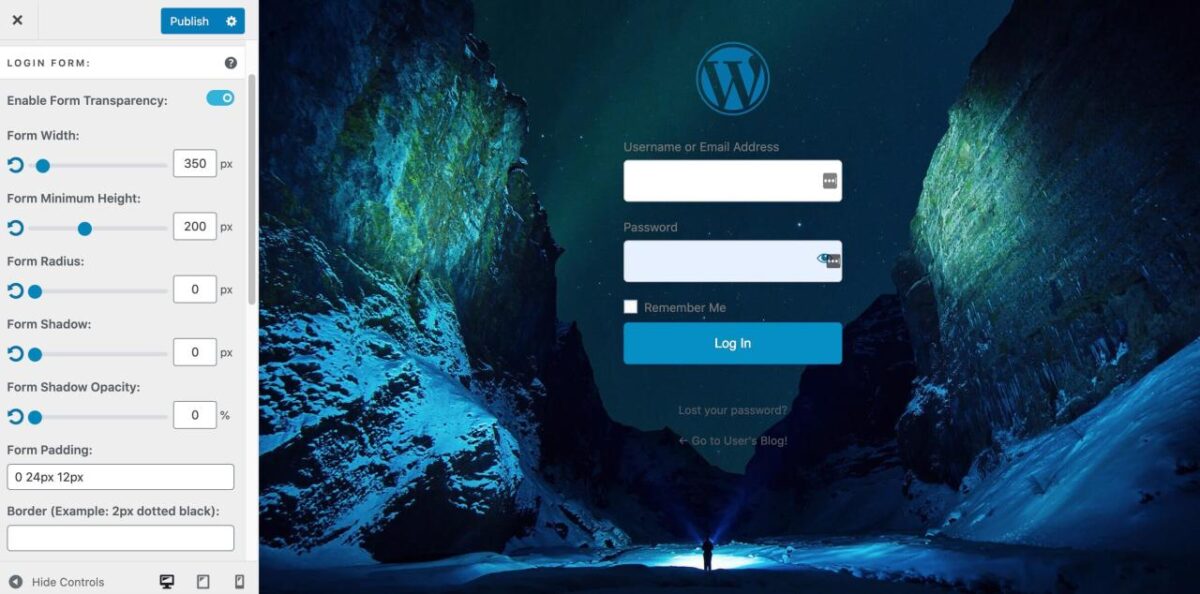
Tired of the bland, generic WordPress login page that screams “template website”? You’re not alone! That uninspired gateway to your WordPress dashboard is often the first impression you make on clients, collaborators, or even yourself. A custom login page is more than just aesthetics; it’s about branding, professionalism, and creating a seamless user experience.
It reinforces your brand identity and can set the tone for the entire backend of your website. But creating a custom login page might sound daunting. Fear not! This article will guide you through the process, demonstrating how to easily transform your WordPress login from drab to fab.
We’ll cover everything from simple plugin solutions to more advanced coding techniques, empowering you to create a login page that perfectly reflects your brand and enhances the overall user experience. Get ready to unlock the potential of your WordPress login and make a lasting impression!
Crafting a Personalized WordPress Login Experience
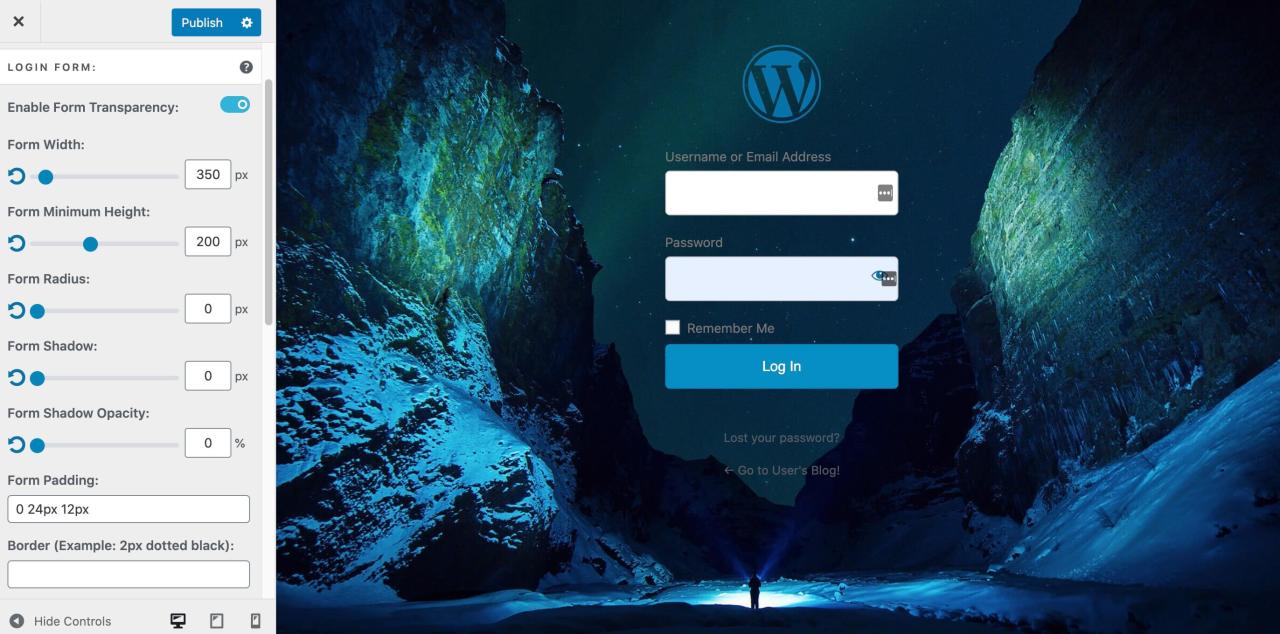
Tired of the default WordPress login page? It’s functional, sure, but hardly screams “you.” Thankfully, WordPress offers a fantastic array of options to construct a custom login page. You can make it match your brand’s aesthetic and provide a more polished user experience.
This isn’t as daunting as it may seem. With a couple of different paths you can take, even those who don’t consider themselves experts can complete this project. Customizing it is a fantastic way to enhance your website’s charm and establish your branding.
We’ll explore several methods for achieving this customization, from using plugins to diving into code. This guide will give you the tools and knowledge to create a seamless and professional login experience for your users. Let’s get started!
Prepare yourself for a journey of creativity and branding. You will soon learn how to make your WordPress login page truly your own. Let’s transform that mundane portal into a delightful welcome mat for your website visitors.
Why Customize Your WordPress Login Page?
First things first, why even bother? A custom login page strengthens your brand identity. When users see a login screen that reflects your brand, it reinforces professionalism and credibility.
A personalized experience is always preferable. Ditching the generic WordPress look provides a more engaging experience for your users. It gives you control over how people interact with your website from the get-go.
It allows you to tailor the entire user journey. You can incorporate specific messaging, promotions, or helpful links. This all contributes to a better overall user experience and reduces user confusion.
Beyond aesthetics, a custom login page can enhance security. Hiding the default login URL can deter brute-force attacks. By making it more unique to your site, hackers have a more difficult time.
In addition to security and branding, accessibility is key. You can ensure your login page adheres to accessibility standards. This will make it usable for all visitors, regardless of their abilities and needs.
Methods for Customizing Your Login Page
You have several options for customizing your WordPress login page. The easiest route is using a plugin. Numerous plugins are specifically designed for this purpose, offering a user-friendly interface.
For those comfortable with code, direct customization via your theme’s functions.php file is a possibility. This provides the most control but requires some programming knowledge. This is not for the faint of heart.
Another approach involves creating a custom login form template. This is a more advanced technique. It offers a highly tailored look and feel but needs a deeper understanding of WordPress theming.
Whichever method you choose, ensure you test your changes thoroughly. Check for responsiveness across various devices. Nothing is worse than a broken login page, which would make your site inaccessible!
Remember to back up your website before making any major modifications. This safeguard ensures you can revert to a working state. Backups can save you from a lot of stress and time spent troubleshooting.
Using a Plugin: A Beginner-Friendly Approach
Plugins offer the most straightforward way to customize your login page. Search the WordPress plugin repository for terms like “custom login,” or “login page customization.” You’ll discover several options.
Popular plugins often come with drag-and-drop interfaces. You can easily change the logo, background image, colors, and text. Many plugins also let you add custom CSS for fine-tuning. Just ensure the plugin stays updated.
Before installing a plugin, check its reviews and ratings. Read the documentation carefully to understand its features and limitations. This will help you pick the one that matches your specific needs.
Once installed, activate the plugin and navigate to its settings page. Follow the instructions to upload your logo, select a background image, and adjust the colors. Preview your changes before saving.
Don’t forget to test the login page after customization. Ensure all elements display correctly. Verify the login process works as expected. This will ensure a smooth experience for your users.
Customizing with Code: Editing functions.php
For a more hands-on approach, you can modify your theme’s functions.php file. This requires some PHP and CSS knowledge. Be extremely careful when editing this file, because syntax errors can break your site.
Start by creating a child theme. This prevents your modifications from being overwritten when the parent theme updates. A child theme is a safer practice than making changes directly.
In your child theme’s functions.php file, you can add code to customize the login page. For instance, you can change the logo URL, add custom CSS styles, or modify the login form elements.
Use the wp_enqueue_scripts action to add your custom CSS file to the login page. This ensures your styles override the default styles. This method offers a lot more flexibility.
Always validate your code to avoid errors. Test the login page thoroughly to ensure your changes work as expected. Coding requires extra precaution, so take your time.
Creating a Custom Login Form Template
For the ultimate control, create a custom login form template. This technique involves creating a separate PHP file for your login form. This will then override the default WordPress login page.
Copy the default login form from the wp-login.php file (located in the WordPress root directory). Place it in your child theme. Modify it as needed to match your desired design.
Create a new page template in your child theme. Include your custom login form in that template. This allows you to create a dedicated login page that uses your custom form.
Use the login_form action hook to inject your custom form into the login page. This requires some advanced PHP knowledge. This is not an easy feat for newcomers.
Remember to secure your custom login page. Protect it from unauthorized access. Implementing measures like rate limiting can help prevent brute-force attacks. Protect it at all costs!
Best Practices for a Secure and User-Friendly Login Page
Security should be your top priority. Protect your login page from brute-force attacks by implementing rate limiting. Use plugins that limit login attempts or add reCAPTCHA protection.
Keep your WordPress core, themes, and plugins up to date. This ensures you have the latest security patches. Updates are essential for maintaining a secure website.
Use strong and unique passwords for all user accounts. Encourage your users to do the same. Good password practices keep your site safe.
Ensure your login page is responsive and accessible. Test it on different devices and browsers. Make sure it adheres to accessibility standards. Make sure it caters to a broad audience.
Provide clear instructions and error messages. Help users understand what to do if they encounter issues. Be sure to guide your users on their journey.
