
Did you know that global ecommerce sales are projected to reach over $6 trillion this year? In the ever-evolving digital marketplace, simply having an online store isn’t enough. To truly thrive, you need to understand the heartbeat of your business: ecommerce statistics.
These aren’t just random numbers; they’re crucial insights into customer behavior, market trends, and the effectiveness of your strategies. Essentially, they reveal what’s working, what’s not, and where you should be focusing your efforts. In this article, we’ll delve into the most essential ecommerce statistics you need to know right now.
We’ll break down key metrics, uncover hidden opportunities, and equip you with the knowledge to make data-driven decisions that will ultimately boost your sales and enhance your customer experience. Get ready to unlock the power of data and transform your ecommerce business.
E-Commerce Statistics: Numbers That Shape the Online Marketplace
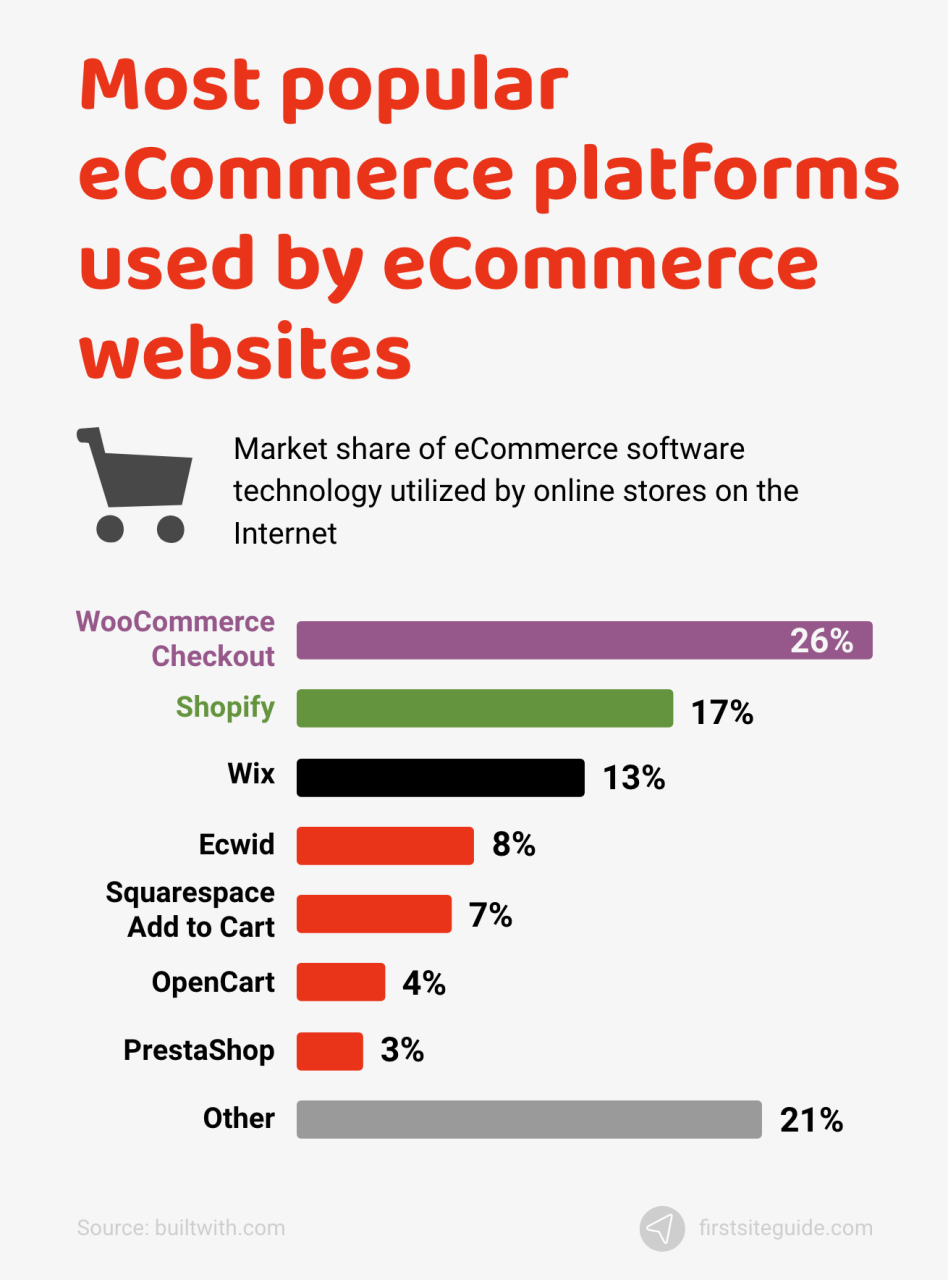
The digital marketplace continues its dynamic evolution, and understanding its current state is paramount for businesses. This article delves into essential e-commerce statistics.
These figures reveal trends, opportunities, and potential challenges. This allows both established companies and emerging startups to strategize effectively.
By analyzing key metrics, one can better navigate the complex landscape of digital commerce. These facts provide a concrete base for making informed decisions.
Whether you are an established business or a startup, using these insights could be just what you need to refine your strategy. This gives a clearer picture to help guide future endeavors.
Mobile Commerce: The Dominance of Smartphones
Mobile commerce, or m-commerce, has seen a dramatic surge in recent years. Smartphones are now essential tools for online shopping.
A significant portion of online sales is now generated through mobile devices. This illustrates the rising prominence of mobile shopping.
Businesses should prioritize mobile-friendly website designs and seamless checkout processes. These should be tailored to the mobile user experience.
Ignoring the mobile platform can mean missing out on a vast customer base. Optimize for mobile to unlock significant growth potential.
The continued adoption of mobile payment solutions, like Apple Pay and Google Pay, is only fueling this expansion further. This ease of purchase will continue to grow the sector.
Conversion Rates: Turning Browsers into Buyers
Conversion rates are a critical metric for measuring the effectiveness of an e-commerce website. These reveal how well a website turns visits into sales.
Optimizing website design, product descriptions, and call-to-action buttons is vital. These elements can increase the percentage of browsers who become purchasers.
A/B testing different website elements can help pinpoint what resonates with customers. This leads to a higher conversion rate overall.
Personalization is another factor in boosting conversion rates. Showing relevant products based on browsing history creates a more tailored experience.
Enhance the customer experience with better page speed, navigation, and customer support. These can drive higher conversion success.
Average Order Value: Maximizing Revenue per Transaction
Average Order Value (AOV) reflects the amount customers spend in a single transaction. It’s a key indicator of profitability.
Strategies to increase AOV include offering product bundles, suggesting related items, and free shipping thresholds. These encourage larger purchases.
Upselling and cross-selling are also effective tactics. Presenting higher-priced options or complementary goods can increase total spending.
Loyalty programs that reward customers for repeat purchases can also help boost AOV. Rewarding customers will create return customers.
Understanding customer behavior and preferences is crucial to determine successful upsell opportunities. This gives customers what they want, leading to higher sales.
Cart Abandonment: Recovering Lost Sales Opportunities
Cart abandonment refers to when customers add items to their online shopping cart but then fail to complete the purchase. This can be a big loss of revenue.
Sending reminder emails with special offers or discounts is an effective strategy. These entice customers to return and finalize their transaction.
Streamlining the checkout process can also reduce abandonment rates. Remove unnecessary steps and offer multiple payment choices.
Clearly displaying shipping costs and return policies upfront builds trust. This minimizes surprises that might cause customers to leave.
By understanding the reason for abandonment, the business can improve and reduce abandonment numbers. This leads to increased customer acquisition.
Customer Reviews: The Power of Social Proof
Customer reviews play a crucial role in influencing purchasing decisions. They offer social proof and build trust in a product or brand.
Encouraging customers to leave reviews after making a purchase is important. This provides valuable insights for potential buyers.
Displaying reviews prominently on product pages can increase sales conversions. The trust built here is invaluable.
Responding to both positive and negative reviews shows that a business values customer feedback. This builds a stronger relationship between company and customer.
Negative reviews offer an opportunity to improve products or services. This makes the business and product better for everyone, helping growth.
